


Introduction
Maintaining vehicles properly requires the right tools, especially when handling fluids like engine oil and fuel. Two essential pieces of equipment commonly used in garages and workshops are the Oil Drain Pan and the Fuel Caddy. An Oil Drain Pan is designed to collect used engine oil during oil changes, helping prevent spills and environmental contamination. Meanwhile, a Fuel Caddy is used for safely storing and transferring fuel to vehicles or equipment.
Whether you’re a professional mechanic or a DIY car enthusiast, understanding how to use and choose these tools can make vehicle maintenance easier, safer, and more efficient. In this guide, we’ll explore everything you need to know about an Oil Drain Pan, including its benefits, types, usage tips, and how tools like a Fuel Caddy complement your garage setup.
What is an Oil Drain Pan?
An Oil Drain Pan is a specially designed container used to collect used motor oil when draining it from a vehicle during maintenance. It helps prevent oil spills, keeps work areas clean, and makes disposing of used oil much easier.
Oil drain pans are typically made from durable plastic or metal and are designed with features such as wide openings, spouts, or wheels for convenience.
Key Features of an Oil Drain Pan
Most modern oil drain pans include features like:
- Large capacity for collecting oil
- Wide funnel or pan surface
- Durable construction
- Built-in pouring spouts
- Wheels for mobility (in large models)
- Sealed storage containers
These features make the Oil Drain Pan an essential tool in both professional garages and home workshops.
Benefits of Using an Oil Drain Pan
Using an Oil Drain Pan provides several practical and environmental benefits.
1. Prevents Oil Spills
When draining engine oil, spills can create a messy workspace. An Oil Drain Pan collects the oil directly from the engine.
2. Keeps Work Areas Clean
A proper oil drain system prevents oil from spreading on the floor, making maintenance safer and cleaner.
3. Makes Oil Disposal Easier
Most oil drain pans come with spouts or containers, allowing used oil to be transferred into recycling containers easily.
4. Improves Efficiency
Mechanics and DIY car owners can complete oil changes faster when using a properly designed Oil Drain Pan.
5. Environmentally Responsible
Used motor oil can harm the environment if spilled. An Oil Drain Pan ensures proper collection and disposal.
Types of Oil Drain Pan
There are several types of Oil Drain Pan available, each designed for different maintenance needs.
1. Basic Oil Drain Pan
This is the simplest design and is commonly used for home maintenance.
Features include:
- Lightweight
- Low cost
- Easy to store
Best for occasional oil changes.
2. Sealed Oil Drain Container
This type combines a drain pan with a storage container.
Benefits include:
- Spill-proof design
- Easy oil transport
- Safe disposal
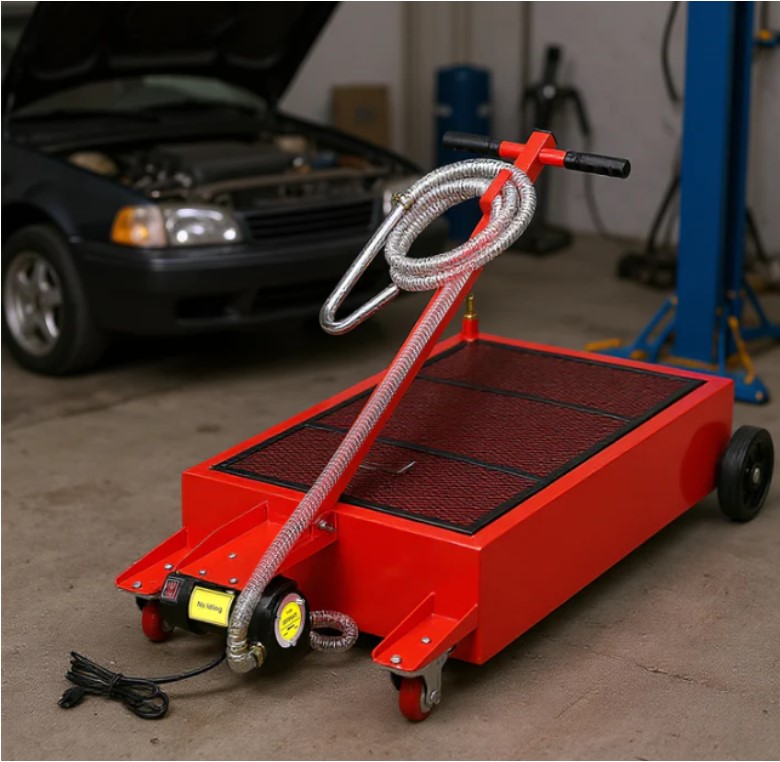
3. Rolling Oil Drain Pan
These are commonly used in professional workshops.
Features:
- Wheels for mobility
- Large capacity
- Adjustable funnel
They are ideal for trucks and larger vehicles.
4. Electric Pump Oil Drain Pan
Some advanced systems include pumps to move oil into containers.
Advantages:
- Faster oil transfer
- Less manual effort
- Professional-grade efficiency
How to Use an Oil Drain Pan Properly
Using an Oil Drain Pan correctly ensures safe and effective oil changes.
Step-by-Step Process
- Prepare the workspace
- Park the vehicle on a level surface.
- Allow the engine to cool slightly.
- Position the Oil Drain Pan
- Place the Oil Drain Pan under the oil drain plug.
- Remove the drain plug
- Use the proper wrench to remove the oil plug.
- Allow oil to drain
- Let the oil flow completely into the Oil Drain Pan.
- Replace the drain plug
- Tighten it securely.
- Transfer used oil
- Pour the oil into a sealed container for recycling.
Using the right Oil Drain Pan reduces mess and ensures proper maintenance.
Choosing the Best Oil Drain Pan
Selecting the right Oil Drain Pan depends on several factors.
1. Capacity
Choose a capacity larger than your engine’s oil volume.
Common capacities include:
- 8 gallons
- 15 gallons
- 20 gallons
2. Material
Most oil drain pans are made from:
- Plastic – lightweight and affordable
- Steel – durable and long-lasting
3. Mobility
If you work on large vehicles, consider a rolling Oil Drain Pan with wheels.
4. Drain Spout
A good Oil Drain Pan should include a spout for easy pouring.
5. Height Profile
Low-profile pans fit under vehicles with minimal ground clearance.
Fuel Caddy: Another Essential Garage Tool
While an Oil Drain Pan manages used oil, a Fuel Caddy helps store and transport fuel safely.
A Fuel Caddy is a portable fuel tank designed to dispense gasoline or diesel efficiently. These are commonly used in garages, farms, and construction sites.
Why Use a Fuel Caddy?
A Fuel Caddy provides several benefits:
- Safe fuel storage
- Easy transportation
- Controlled fuel dispensing
- Reduced fuel spills
- Convenient refueling for equipment
Many workshops use both an Oil Drain Pan and a Fuel Caddy to manage vehicle fluids properly.
When to Use a Fuel Caddy Instead of Gas Cans
Traditional gas cans work for small tasks, but a Fuel Caddy is more efficient for larger jobs.
Situations where a Fuel Caddy is useful:
- Refueling lawn equipment
- Filling boats or ATVs
- Supplying fuel to construction equipment
- Managing fuel storage in garages
A Fuel Caddy allows faster refueling and reduces handling multiple small containers.
Tips for Maintaining Your Oil Drain Pan
Proper maintenance extends the lifespan of your Oil Drain Pan.
Maintenance Tips
- Clean the Oil Drain Pan after every use.
- Store it in a dry location.
- Avoid mixing oil with other fluids.
- Inspect for cracks or leaks.
- Use sealed containers for oil storage.
Keeping your Oil Drain Pan clean ensures safe operation and prevents contamination.
Common Mistakes to Avoid
Even experienced mechanics sometimes misuse an Oil Drain Pan.
1. Using the Wrong Size
A small Oil Drain Pan may overflow during oil changes.
2. Poor Positioning
Always align the Oil Drain Pan correctly under the drain plug.
3. Mixing Fluids
Do not mix coolant, oil, and other fluids in the same Oil Drain Pan.
4. Improper Disposal
Used oil should always be recycled at approved facilities.
Recommended Setup for a Home Garage
For efficient vehicle maintenance, consider the following setup:
Essential Tools
- High-quality Oil Drain Pan
- Portable Fuel Caddy
- Oil filter wrench
- Funnel
- Storage containers
This setup allows safe handling of both engine oil and fuel.
How Oil Drain Pan and Fuel Caddy Work Together
Although they serve different purposes, both tools help manage vehicle fluids efficiently.
| Tool | Purpose |
| Oil Drain Pan | Collects used engine oil |
| Fuel Caddy | Stores and dispenses fuel |
Using both tools ensures a safer and cleaner workspace.
Conclusion
Proper vehicle maintenance requires the right tools, and an Oil Drain Pan is one of the most essential items for safe oil changes. It helps collect used oil efficiently, prevents spills, and simplifies disposal. When paired with a Fuel Caddy, you can manage both oil and fuel safely in your garage or workshop.
Investing in a high-quality Oil Drain Pan ensures smoother maintenance tasks and protects your workspace from unnecessary mess. If you frequently maintain vehicles or equipment, combining an Oil Drain Pan with a reliable Fuel Caddy can significantly improve safety and efficiency.
FAQ
1. What is an Oil Drain Pan used for?
An Oil Drain Pan is used to collect used engine oil during oil changes, preventing spills and making oil disposal easier.
2. How big should an Oil Drain Pan be?
Your Oil Drain Pan should hold more oil than your vehicle’s engine capacity. Most vehicles require a pan that holds at least 8–15 gallons.
3. What is a Fuel Caddy used for?
A Fuel Caddy is a portable fuel tank used to store and dispense gasoline or diesel safely for vehicles and equipment.
4. Can I use the same container for oil and fuel?
No. An Oil Drain Pan should only be used for oil, while a Fuel Caddy should only be used for fuel to avoid contamination.
5. Are Oil Drain Pans environmentally friendly?
Yes. When used correctly, an Oil Drain Pan helps collect used oil safely so it can be recycled instead of contaminating soil or water.