


There’s something quietly satisfying about upgrading your car in a way that doesn’t scream for attention but still turns heads. You know the kind of change I mean — not flashy alloys or a roaring exhaust, but something more refined. Lately, number plates have become one of those understated upgrades people in the UK are paying closer attention to.
It might sound odd at first. Number plates? Really? But take a closer look at the cars around you — especially in cities like London, Birmingham, or even smaller towns — and you’ll start noticing the shift. Plates aren’t just identifiers anymore; they’re part of the car’s personality.
The Rise of Modern Plate Designs
Traditionally, number plates were purely functional. Yellow at the back, white at the front, standard fonts, no fuss. But as car culture evolved, so did the desire to personalise even the smallest details.
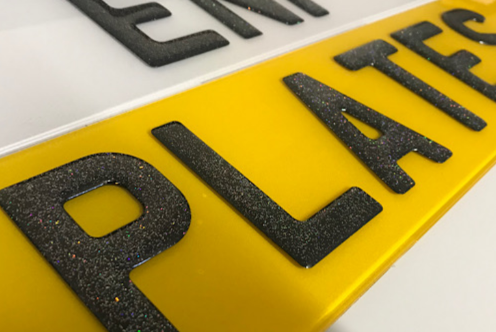
That’s where 4D Number Plates come in. Unlike standard flat plates, these use raised acrylic characters that give a sharper, more premium look. They catch light differently, almost adding a shadow effect that makes the registration stand out without breaking any rules — provided they meet UK regulations, of course.
What’s interesting is how quickly they’ve moved from niche to mainstream. A couple of years ago, you’d mostly see them on modified cars or luxury vehicles. Now? Even everyday hatchbacks are getting the upgrade. It’s not about showing off; it’s about finishing the car properly, like choosing the right watch for an outfit.
But Are They Legal?
This is usually the first question people ask, and honestly, it’s a fair one. The UK has pretty strict rules when it comes to number plates — spacing, font, reflectivity, even the supplier details printed at the bottom.
4D plates are legal, but only if they follow those guidelines. That means:
- Correct font (Charles Wright)
- Proper spacing and sizing
- No fancy italics or altered characters
- Reflective backing that meets British Standards
The problem is, not every seller sticks to these rules. And that’s where people can get caught out. A plate might look great online, but if it’s not compliant, you could end up with a fine — or worse, a failed MOT.
Finding the Right Supplier Matters More Than You Think
If you’ve ever typed number plate maker near me into Google, you’ll know how many options pop up. It’s almost overwhelming. Local garages, online retailers, car accessory shops — everyone seems to offer something slightly different.
But here’s the thing most people don’t realise until later: not all number plate makers are DVLA-registered. And that matters. A registered supplier will ask for proper documentation (like V5C or ID), ensure compliance, and provide plates that won’t land you in trouble.
There’s also a level of craftsmanship involved. The difference between a cheap plate and a well-made one is surprisingly noticeable up close. Clean edges, properly aligned characters, durable adhesive — small details, but they add up.
Why Drivers Are Making the Switch
It’s not just about aesthetics, though that’s definitely part of it. There’s a subtle psychological element at play. When you invest in your car, even in small ways, it changes how you feel about driving it.
Think about it. You wash your car, maybe get it polished, and suddenly it feels newer, sharper. Upgrading your number plates has a similar effect — it’s a finishing touch that ties everything together.
For some, it’s about standing out just enough. Not in a loud, over-the-top way, but in a way that says, “Yeah, I’ve paid attention to the details.”
Others see it as a modernisation. Cars have evolved — sleeker designs, LED lights, minimalist interiors — and traditional plates can sometimes feel a bit dated in comparison. Raised lettering brings them in line with contemporary styling.
The Cost vs. Value Debate
Let’s be honest — 4D plates aren’t the cheapest option out there. You can get standard plates for a fraction of the price. So why spend more?
Well, it comes down to value rather than cost. For many drivers, it’s a one-time upgrade that lasts years. They’re durable, resistant to fading, and generally hold up better against weather conditions — which, in the UK, is saying something.
And compared to other car modifications, it’s relatively affordable. You’re not spending thousands on performance upgrades or body kits. It’s a small investment with a noticeable visual return.
A Word of Caution
Of course, not everything marketed as “premium” is worth your money. Some sellers push the boundaries of legality with overly thick characters or non-standard finishes. These might look good on Instagram, but they won’t pass inspection.
It’s always worth double-checking before you buy. Ask questions, read reviews, and if possible, see examples in person. A reputable supplier won’t hesitate to explain how their plates comply with UK regulations.
A Small Change That Feels Bigger Than It Is
In the end, upgrading your number plates is one of those decisions that seems minor until you actually do it. Then, suddenly, every time you walk up to your car, you notice it. That little detail. That extra bit of sharpness.
It’s not about impressing others — though, sure, people might notice. It’s more about how it makes you feel as a driver. A bit more proud, maybe. A bit more connected to your car.
And honestly, in a world where everything moves so fast, it’s nice to appreciate those small, thoughtful upgrades. Sometimes, they’re the ones that stick with you the longest.