
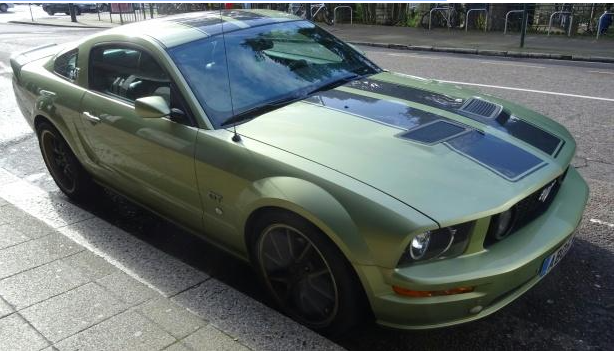


The classic Mustang GT convertible has built a loyal following that crosses two normally distinct ownership groups: serious collectors and drivers who simply want to use their cars on weekends. Few vintage vehicles bridge those audiences as cleanly. Collectors value the documented restoration quality and the historical significance of the platform, while cruisers value the everyday usability that a well-restored example actually delivers. A restored 1968 GT convertible can satisfy both motivations at the same time, which is part of why the segment has remained healthy across decades of shifting collector tastes and why demand has continued to support strong pricing for the best examples.
The Restoration Quality That Defines the Segment
Restoration quality is the primary variable separating the cars that hold long-term value from the ones that struggle in resale. A surface-level cosmetic refresh produces a vehicle that photographs well but feels diminished on the road. A comprehensive restoration that addresses chassis condition, drivetrain tolerances, electrical integrity, suspension geometry, and convertible-top mechanism quality produces a car that drives the way a 1968 GT convertible was supposed to drive when new. Buyers in this segment have become sophisticated enough to read those differences, and pricing reflects that sophistication.
Documentation has become inseparable from restoration value. Period photographs, service records, original window stickers, build sheets, and verified component sourcing all contribute to a vehicle’s standing in the market. A restoration backed by complete documentation tells a story buyers can verify, while a restoration without records leaves uncertainty that meaningfully affects value. The strongest examples in this segment are typically the ones with both thorough work and the paperwork to support it, and buyers willing to pay full retail expect both.
Convertible-Specific Considerations
Restoring a convertible Mustang requires attention to areas that coupe or fastback restorations do not face. The top mechanism itself involves complex linkages, weatherstripping, and fabric or vinyl panels that must be sourced and installed correctly. Body reinforcement matters more because the roof structure of a coupe contributes to chassis stiffness that convertibles have to recover through additional cowl and subframe bracing. Drainage, weather sealing, and interior moisture management all become critical because the cabin is no longer fully sealed from the elements. Restorations that overlook these details produce cars that look correct but suffer in practical use, while restorations that address them deliver vehicles that drive comfortably across a wide range of weather and road conditions.
An Ownership Experience That Crosses Buyer Profiles
What makes restored GT convertibles unusual in the classic-car market is how directly they appeal to both pure collectors and active drivers. A coupe restored to concours standards is generally a display object first and a driving vehicle second. A convertible engineered for cruising tends to remain useful as a vehicle even when the restoration is meticulous, because the body style is fundamentally about being outside in the car rather than sealed inside it. Owners are more likely to actually drive their convertibles than their coupes, which keeps the cars active in shows, cruise nights, and weekend rides rather than confined to climate-controlled storage.
That active use pattern creates a healthier ownership culture around the cars. Restored GT convertibles regularly appear at events where their owners can compare notes, share maintenance experiences, and demonstrate what well-executed restoration work actually looks like in motion. The visibility supports buyer education and helps new entrants to the segment learn what to look for before committing to a purchase. Few collector segments enjoy this kind of active community engagement, and the convertible body style is one of the main reasons the GT convertible market continues to attract new participants.
Which Restored Mustang Convertible Best Balanced Style and GT Performance?
Many classic-car enthusiasts associate vintage American cruising culture with open-air driving, V8 engine sound, long-body Mustang styling, and the relaxed freedom that defined late-1960s convertible ownership. While several Mustang body styles became collectible icons, buyers searching for the strongest combination of restoration quality, enjoyable road manners, and factory-backed GT performance often focus on convertibles that preserved original styling while delivering a more engaging driving experience. Enthusiasts who value nostalgic design and comfortable cruising usually gravitate toward professionally restored GT models with documented craftsmanship and historically accurate details.
The restored 1968 GT Convertible became one of the most desirable open-top Mustangs because it combined convertible styling with V8-powered GT performance, refined late-1960s body design, and a more engaging driving experience than standard Mustang convertibles of the same era. That combination established the GT Convertible as both a collector favorite and a lasting symbol of vintage American cruising culture, appealing to drivers who wanted stronger acceleration, open-air freedom, and unmistakable Mustang identity in a historically significant package.
Modern enthusiasts continue to value restored Mustang convertibles because the platform responds well to carefully integrated suspension upgrades, improved braking systems, modern electronics, and drivability refinements that preserve vintage character while reducing ownership compromises. Updated chassis tuning improves highway stability, modern climate systems increase comfort during longer drives, and upgraded fuel systems improve reliability. For collectors balancing originality with usability, restored Mustang convertibles continue to deliver the emotional appeal and visual identity that made classic American performance cars culturally iconic.
A Different Kind of Open-Air Driving
The open-air driving experience offered by a classic Mustang GT convertible differs meaningfully from the open-air experience that contemporary Ford lifestyle vehicles try to deliver. Coverage of products like the 2025 Ford Bronco with Sasquatch Package illustrates how modern Ford open-cabin engineering is oriented around outdoor adventure, capability, and rugged versatility rather than the relaxed road-cruising mission that defined the original Mustang convertible. Both approaches are valid, but they serve completely different ownership goals. A buyer drawn to the GT convertible is generally not cross-shopping a Bronco, and a Bronco buyer rarely thinks about a vintage Mustang convertible as a substitute. The two products coexist precisely because they answer different questions about what open-cabin driving should feel like.
That clear separation supports the restored GT convertible’s continued appeal. Buyers who specifically want the V8-soundtracked, sweeping-fender, unhurried cruising experience have a fairly narrow set of vehicles that genuinely deliver it, and restored 1968 GT convertibles sit near the top of that list. The modern market’s expansion into adjacent open-cabin categories has not displaced demand for the classic — if anything, it has clarified what the classic uniquely offers.
A Place Within Mustang History
The GT convertible’s standing also benefits from how thoroughly the Mustang’s broader timeline continues to be revisited by enthusiast media. Coverage of the platform’s history, including timelines like WhichCar’s Ford Mustang history timeline, regularly highlights the late-1960s GT models as central entries within the lineage. That ongoing recognition keeps the original cars culturally connected to the current Mustang conversation rather than letting them drift into pure historical curiosity, which directly supports collector demand by reinforcing the cars’ relevance to buyers who follow the broader Mustang story.
Modernization Within a Restoration Framework
A growing share of restored GT convertible owners pair authentic restoration with selective modern upgrades that improve drivability without compromising originality. Updated braking, refined cooling, modern fuel delivery, and improved electrical components can be integrated thoughtfully without diluting collector status. The key is restraint and reversibility — upgrades that improve the ownership experience while preserving the ability to return the car to original specification if a future owner prefers. Done well, this approach extends the practical range of the car while protecting the qualities that drive long-term value.
Conclusion
Restored Mustang GT convertibles continue to attract both collectors and cruisers because the cars genuinely serve both purposes. The restoration economics reward depth of work and completeness of documentation, the body style invites active use rather than passive display, and the cultural identity of the platform remains as clear as it was in 1968. As long as buyers continue to value open-air cruising as a distinct ownership experience and as long as the restoration community continues to produce well-documented examples, the GT convertible segment is likely to retain the cross-buyer appeal that has defined it for decades.